Buy aerztehaus.eu ?
We are moving the project
aerztehaus.eu .
Are you interested in purchasing the domain
aerztehaus.eu ?
domain@kv-gmbh.de · 0541-91531010
Buy aerztehaus.eu ?
Why can cyanobacteria perform photosynthesis?
Cyanobacteria can perform photosynthesis because they contain chlorophyll, the pigment that allows them to capture light energy from the sun. This light energy is then used to convert carbon dioxide and water into glucose and oxygen, a process known as photosynthesis. Additionally, cyanobacteria have specialized structures called thylakoids where the photosynthetic reactions take place. These adaptations enable cyanobacteria to thrive in a variety of environments and play a crucial role in the Earth's ecosystems as primary producers. **
Are these cyanobacteria blue-green algae?
Yes, cyanobacteria are often referred to as blue-green algae due to their blue-green coloration. However, they are not actually algae but rather a type of bacteria that can perform photosynthesis like algae. Cyanobacteria are important primary producers in aquatic ecosystems and can form harmful algal blooms under certain conditions. **

Similar search terms for Cyanobacteria
Top-Angebote
Products related to Cyanobacteria:
-
Skin Doctors Plump 50mlSkin Doctors Antarctilyne Plump is a clinically proven face cream which works to increase your skin's condition within 7 days! It boost skin's collagen levels and protects it from decreasing, maintaining skin's firmness and elasticity for a healthier and youthful appearance!Formulated with triple action skin boosting ingredient Trylagen, the cream is a blend of peptides and proteins to enhance skin's appearance for a brighter fuller complexion.35,62 £*Shipping: 0,00 £Secure redirect to the provider
-
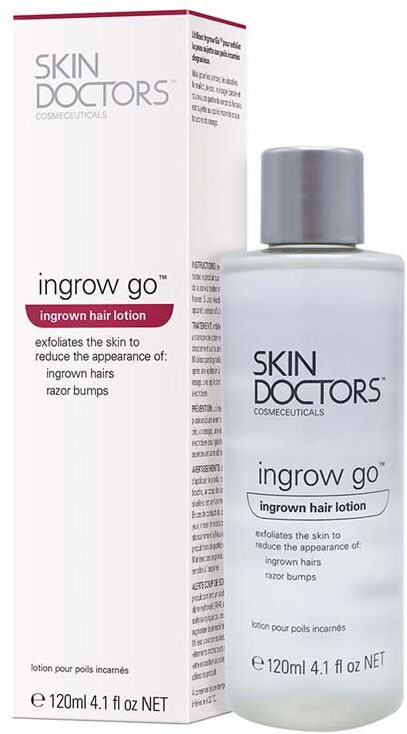
Skin Doctors Go 120mlSkin Doctors Ingrow Go is a skin treatment to eliminate ingrown hairs after hair removal by waxing or shaving. The skin treatment gently exfoliates the skin to smooth the skin and prevent ingrown hairs appearing. Isopropyl Alcohol - antibacterial to help clear out infected pores Propylene Glycol - to deliver moisture through the skin Acetylsalicylic Acid - anti-inflammatory to reduce the swelling associated with ingrown hairs Glycolic Acid - a mild exfoliant that removes dry skin cells and reduces redness11,24 £*Shipping: 2,95 £Secure redirect to the provider
-
Skin Doctors Facelift 30mlSkin Doctors Instant Facelift is an innovative serum that lifts and firms sagging and ageing skin for a fresher youthful complexion! Formulated with Easyliance, a biopolymer from plant roots, tightens and smoothes skin. Argatensyl Extract from Argania Fruit to firm and tighten skin and Liftensyl, derived from Soy Protein, smoothes out fine lines and wrinkles improving skin's radiance by 71%. Liftensyl LS - a polymer derived from Soy protein that displays immediate tightening properties resulting in the smoothing of fine lines and wrinkles. Argatensyl LS - a high molecular weight protein extracted from the Argania fruit, which grows only in the south of Morocco. Argatensyl has been seen in scientific studies to instantly tighten the skin. Easyliance - a biopolymer naturally produced by micro-organisms living in specific plant roots. The polymer forms a matrix at the surface of the skin and whilst drying, it tightens and smoothes the skin. Easyliance has an immediate and visible lifting effect and provides smoother and younger looking skin within minutes.26,89 £*Shipping: 0,00 £Secure redirect to the provider
-
Skin Doctors Clear 50mlSkin Doctors Capillary Clear is an effective treatment that works to dramatically minimise the appearance of broken capillaries and blood vessels. By reducing the extravascular blood flow diminishes the chance of broken capillaries forming. Phytotonine - composed of concentrated extracts of Arnica, Cypress and Solomon’s Seal. It is rich in flavonoids, saponosides and procyanidols which are responsible for its favourable action on microcirculation and the strengthening of capillary walls. A scientific investigation showed that the application of Phytotonine for 3 weeks showed a 24% decrease in the redness of the affected area and a 25% reduction of extravascular blood flow, helping to improve the appearance of redness and broken capillaries.19,12 £*Shipping: 0,00 £Secure redirect to the provider



-
Why can cyanobacteria live in low light areas?
Cyanobacteria can live in low light areas because they have adapted to be able to photosynthesize in low light conditions. They contain specialized pigments that allow them to capture and use light energy more efficiently, such as phycocyanin and phycoerythrin. Additionally, they have the ability to adjust their photosynthetic machinery to optimize light absorption in low light environments. This allows them to thrive in a variety of aquatic habitats, including those with limited light penetration. **
-
What is there to know about cyanobacteria in the aquarium?
Cyanobacteria, also known as blue-green algae, can be a common problem in aquariums. They thrive in environments with excess nutrients and low oxygen levels. Cyanobacteria can quickly cover surfaces in the aquarium, affecting the water quality and potentially harming fish and plants. To control cyanobacteria growth, it is important to address the root cause by reducing excess nutrients through proper aquarium maintenance, such as regular water changes and cleaning. Additionally, introducing algae-eating fish or invertebrates can help keep cyanobacteria under control. **
-
How do blue layers in the aquarium form due to cyanobacteria?
Blue layers in the aquarium form due to cyanobacteria because these bacteria contain pigments that give them a blue-green color. When cyanobacteria bloom in the aquarium, they can form dense layers on surfaces such as rocks, substrate, or plants. These layers can appear blue in color due to the concentration of cyanobacteria and their pigments. The presence of excess nutrients, low water flow, and poor water quality can contribute to the growth of cyanobacteria and the formation of blue layers in the aquarium. **
-
What did the evolution of cyanobacteria look like in the past?
Cyanobacteria, also known as blue-green algae, are one of the oldest forms of life on Earth. They played a crucial role in the evolution of the planet by producing oxygen through photosynthesis, which eventually led to the oxygenation of the atmosphere. Over time, cyanobacteria evolved and diversified into various species, adapting to different environments and contributing to the development of complex ecosystems. Their ability to thrive in diverse conditions has allowed them to persist and continue shaping the Earth's environment. **
What is the range of effects of cyanobacteria and green algae?
Cyanobacteria and green algae can have a wide range of effects on the environment. They are important producers of oxygen through photosynthesis and play a crucial role in the food web as a source of energy for other organisms. However, they can also have negative effects, such as producing harmful algal blooms that can release toxins into the water and harm aquatic life. Additionally, excessive growth of cyanobacteria and green algae can lead to eutrophication, which can deplete oxygen levels in the water and harm other organisms. Overall, their effects can be both beneficial and detrimental to the environment. **
How do blue layers form in the aquarium due to cyanobacteria?
Blue layers form in the aquarium due to cyanobacteria when the bacteria produce pigments called phycocyanin and allophycocyanin. These pigments give the cyanobacteria a blue-green color, which can create a blue layer on surfaces in the aquarium. The presence of excess nutrients, low water flow, and low oxygen levels can promote the growth of cyanobacteria, leading to the formation of these blue layers. Regular maintenance, such as water changes and cleaning, can help prevent the overgrowth of cyanobacteria and the formation of blue layers in the aquarium. **
Top-Angebote
Products related to Cyanobacteria:
-
Drop Dash Deals Premium Dental & Medical Dry Heat Sterilizer Adjustable Dental Sterilizer Autoclave For Clinic, Tattoo & Vet Instrumen Premium Dental & Medical Dry Heat Sterilizer Adjustable Dental Sterilizer Autoclave For Clinic, Tattoo & Vet InstrumenStep up your hygiene game with a professionalgrade sterilizer designed for those who demand reliable, consistent results every time. This 1 pc of compact dry heat sterilizer delivers powerful, hightemperature instrument sterilization ideal for...89,97 $*Shipping: 0,00 $Secure redirect to the provider
-
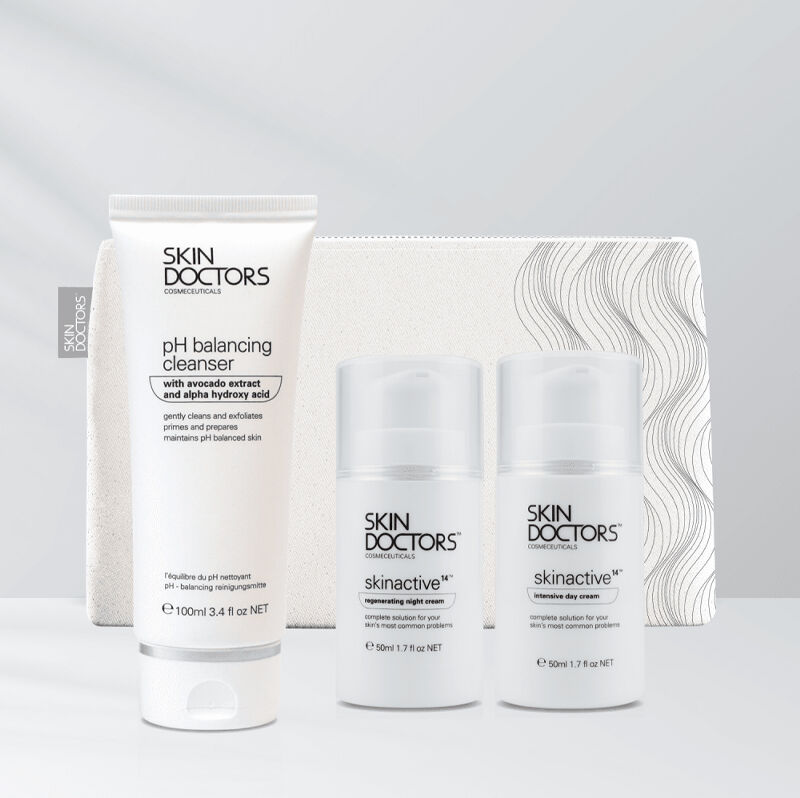
Skin Doctors EssentialsThe Skin Doctors Daily Essentials Gift Se offers a complete solution to the most common skincare problems. Discover skincare that gives you that all-time glow, day and night. Set Includes: 1 x Skin Doctors Skinactive14 Day Cream 1 x Skin Doctors Skinactive14 Night Cream 1 x Skin Doctors pH Balancing Cleanser 1 x Skin Doctors Toiletry Bag43,49 £*Shipping: 0,00 £Secure redirect to the provider
-
Skin Doctors Plump 50mlSkin Doctors Antarctilyne Plump is a clinically proven face cream which works to increase your skin's condition within 7 days! It boost skin's collagen levels and protects it from decreasing, maintaining skin's firmness and elasticity for a healthier and youthful appearance!Formulated with triple action skin boosting ingredient Trylagen, the cream is a blend of peptides and proteins to enhance skin's appearance for a brighter fuller complexion.35,62 £*Shipping: 0,00 £Secure redirect to the provider
-
Skin Doctors Go 120mlSkin Doctors Ingrow Go is a skin treatment to eliminate ingrown hairs after hair removal by waxing or shaving. The skin treatment gently exfoliates the skin to smooth the skin and prevent ingrown hairs appearing. Isopropyl Alcohol - antibacterial to help clear out infected pores Propylene Glycol - to deliver moisture through the skin Acetylsalicylic Acid - anti-inflammatory to reduce the swelling associated with ingrown hairs Glycolic Acid - a mild exfoliant that removes dry skin cells and reduces redness11,24 £*Shipping: 2,95 £Secure redirect to the provider
-
Why can cyanobacteria perform photosynthesis?
Cyanobacteria can perform photosynthesis because they contain chlorophyll, the pigment that allows them to capture light energy from the sun. This light energy is then used to convert carbon dioxide and water into glucose and oxygen, a process known as photosynthesis. Additionally, cyanobacteria have specialized structures called thylakoids where the photosynthetic reactions take place. These adaptations enable cyanobacteria to thrive in a variety of environments and play a crucial role in the Earth's ecosystems as primary producers. **
-
Are these cyanobacteria blue-green algae?
Yes, cyanobacteria are often referred to as blue-green algae due to their blue-green coloration. However, they are not actually algae but rather a type of bacteria that can perform photosynthesis like algae. Cyanobacteria are important primary producers in aquatic ecosystems and can form harmful algal blooms under certain conditions. **
-
Why can cyanobacteria live in low light areas?
Cyanobacteria can live in low light areas because they have adapted to be able to photosynthesize in low light conditions. They contain specialized pigments that allow them to capture and use light energy more efficiently, such as phycocyanin and phycoerythrin. Additionally, they have the ability to adjust their photosynthetic machinery to optimize light absorption in low light environments. This allows them to thrive in a variety of aquatic habitats, including those with limited light penetration. **
-
What is there to know about cyanobacteria in the aquarium?
Cyanobacteria, also known as blue-green algae, can be a common problem in aquariums. They thrive in environments with excess nutrients and low oxygen levels. Cyanobacteria can quickly cover surfaces in the aquarium, affecting the water quality and potentially harming fish and plants. To control cyanobacteria growth, it is important to address the root cause by reducing excess nutrients through proper aquarium maintenance, such as regular water changes and cleaning. Additionally, introducing algae-eating fish or invertebrates can help keep cyanobacteria under control. **
Similar search terms for Cyanobacteria
-
Skin Doctors Facelift 30mlSkin Doctors Instant Facelift is an innovative serum that lifts and firms sagging and ageing skin for a fresher youthful complexion! Formulated with Easyliance, a biopolymer from plant roots, tightens and smoothes skin. Argatensyl Extract from Argania Fruit to firm and tighten skin and Liftensyl, derived from Soy Protein, smoothes out fine lines and wrinkles improving skin's radiance by 71%. Liftensyl LS - a polymer derived from Soy protein that displays immediate tightening properties resulting in the smoothing of fine lines and wrinkles. Argatensyl LS - a high molecular weight protein extracted from the Argania fruit, which grows only in the south of Morocco. Argatensyl has been seen in scientific studies to instantly tighten the skin. Easyliance - a biopolymer naturally produced by micro-organisms living in specific plant roots. The polymer forms a matrix at the surface of the skin and whilst drying, it tightens and smoothes the skin. Easyliance has an immediate and visible lifting effect and provides smoother and younger looking skin within minutes.26,89 £*Shipping: 0,00 £Secure redirect to the provider
-
Skin Doctors Clear 50mlSkin Doctors Capillary Clear is an effective treatment that works to dramatically minimise the appearance of broken capillaries and blood vessels. By reducing the extravascular blood flow diminishes the chance of broken capillaries forming. Phytotonine - composed of concentrated extracts of Arnica, Cypress and Solomon’s Seal. It is rich in flavonoids, saponosides and procyanidols which are responsible for its favourable action on microcirculation and the strengthening of capillary walls. A scientific investigation showed that the application of Phytotonine for 3 weeks showed a 24% decrease in the redness of the affected area and a 25% reduction of extravascular blood flow, helping to improve the appearance of redness and broken capillaries.19,12 £*Shipping: 0,00 £Secure redirect to the provider
-
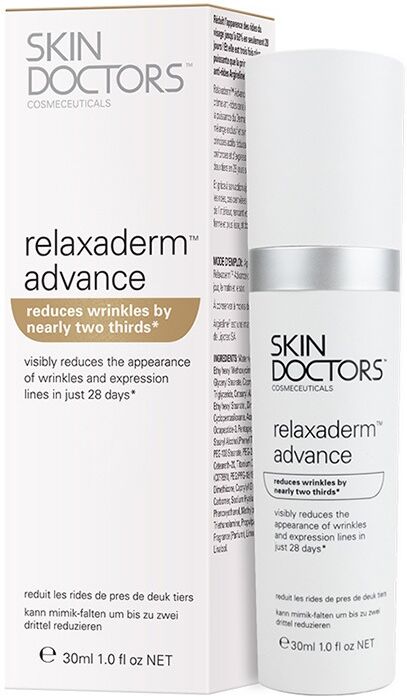
Skin Doctors Advance 30mlSkin Doctors Relaxaderm Advance is an innovative cream which plumps, boosts and firms your skin for a healthier younger appearance. Smoothing the skin and evening out fine lines and wrinkles by relaxing the facial muscles, this cream is a miracle worker! So, how does the only injection-free wrinkle relaxer do it? Formulated with the effective power of Dermatox-63 to enhance the skin with peptides and Hyaluronan, which is a non-sulfate ingredient that locks in essential moisture within the dermal tissue, thereby improving skin's elasticity and reducing the appearance of wrinkles. Key ingredients also includes: Hyaluronic Acid which holds 1000 times its molecular weight in water. Through these water retaining properties, it helps to rejuvenate the skin, plumping it from the inside out. Ingredients Aqua (Water), Ethylhexyl Methoxycinnamate, Caprylic/Capric Triglyceride, Glyceryl Stearate, Cetearyl Alcohol, Ethylhexyl Stearate, Dimethicone, Coco-Caprylate, Stearyl Alcohol, Phenoxyethanol, PEG-100 Stearate, Ceteareth-20, Caprylyl Glycol, PEG-20 Stearate, Triethanolamine, Parfum (Fragrance), Carbomer, Sodium Benzoate, Sodium Hyaluronate, Sodium Stearate, BHT, Acetyl Octapeptide-3, Pentapeptide-18, Limonene, Linalool, CI 77891 (Titanium Dioxide).23,99 £*Shipping: 0,00 £Secure redirect to the provider
-
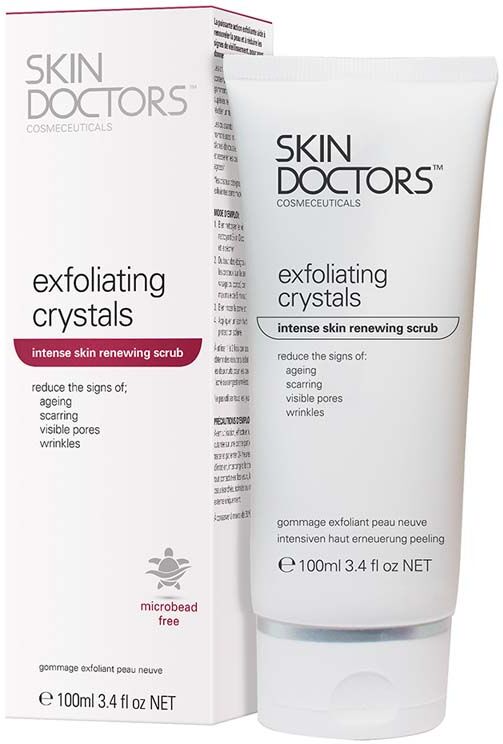
Skin Doctors Crystals 100mlSkin Doctors Exfoliating Crystals 100ml uses micro-dermabrasion and Hydroxy Acid exfoliation to boost skin's health and radiance. It works to boost dull and dreary looking skin effectively resurfacing the outer layer. The Intensive Mircro-Dermabraion Crystals work to break down the top layer of skin and gently exfoliate to smooth away any visible signs of ageing, pigmentation and scars. It promotes skin cell renewal and stimulates collagen to plump and refresh your complexion using Tea Tree Oil without scratching or damaging your skin. Microencapsulated beads – Rather than aluminum oxide (Corundum), these microencapsulated beads will give you all of the benefits of a powerful exfoliation, without harsh scratching or damage to your skin. Melaleuca alternifolia (Australian Tea Tree) Oil – Obtained from the leaves and branchlets of the Australian tree Melaleuca alternifolia, Tea Tree has antibacterial properties and has been shown to assist in the treatment of skin infections, including acne blemishes.15,97 £*Shipping: 2,95 £Secure redirect to the provider
-
How do blue layers in the aquarium form due to cyanobacteria?
Blue layers in the aquarium form due to cyanobacteria because these bacteria contain pigments that give them a blue-green color. When cyanobacteria bloom in the aquarium, they can form dense layers on surfaces such as rocks, substrate, or plants. These layers can appear blue in color due to the concentration of cyanobacteria and their pigments. The presence of excess nutrients, low water flow, and poor water quality can contribute to the growth of cyanobacteria and the formation of blue layers in the aquarium. **
-
What did the evolution of cyanobacteria look like in the past?
Cyanobacteria, also known as blue-green algae, are one of the oldest forms of life on Earth. They played a crucial role in the evolution of the planet by producing oxygen through photosynthesis, which eventually led to the oxygenation of the atmosphere. Over time, cyanobacteria evolved and diversified into various species, adapting to different environments and contributing to the development of complex ecosystems. Their ability to thrive in diverse conditions has allowed them to persist and continue shaping the Earth's environment. **
-
What is the range of effects of cyanobacteria and green algae?
Cyanobacteria and green algae can have a wide range of effects on the environment. They are important producers of oxygen through photosynthesis and play a crucial role in the food web as a source of energy for other organisms. However, they can also have negative effects, such as producing harmful algal blooms that can release toxins into the water and harm aquatic life. Additionally, excessive growth of cyanobacteria and green algae can lead to eutrophication, which can deplete oxygen levels in the water and harm other organisms. Overall, their effects can be both beneficial and detrimental to the environment. **
-
How do blue layers form in the aquarium due to cyanobacteria?
Blue layers form in the aquarium due to cyanobacteria when the bacteria produce pigments called phycocyanin and allophycocyanin. These pigments give the cyanobacteria a blue-green color, which can create a blue layer on surfaces in the aquarium. The presence of excess nutrients, low water flow, and low oxygen levels can promote the growth of cyanobacteria, leading to the formation of these blue layers. Regular maintenance, such as water changes and cleaning, can help prevent the overgrowth of cyanobacteria and the formation of blue layers in the aquarium. **
* All prices are inclusive of VAT and, if applicable, plus shipping costs. The offer information is based on the details provided by the respective shop and is updated through automated processes. Real-time updates do not occur, so deviations can occur in individual cases. ** Note: Parts of this content were created by AI.