Buy aerztehaus.eu ?
We are moving the project
aerztehaus.eu .
Are you interested in purchasing the domain
aerztehaus.eu ?
domain@kv-gmbh.de · 0541-91531010
Buy aerztehaus.eu ?
What is the difference between differential centrifugation and density gradient centrifugation?
Differential centrifugation separates particles based on their size and density by subjecting a sample to multiple rounds of centrifugation at increasing speeds. This method results in the formation of a pellet containing the heaviest particles at each step. Density gradient centrifugation, on the other hand, separates particles based on their buoyant density by layering a sample on top of a density gradient medium and subjecting it to centrifugation. This method results in the formation of distinct bands or layers of particles based on their buoyant density within the gradient medium. Overall, differential centrifugation separates particles based on their size and density, while density gradient centrifugation separates particles based on their buoyant density within a gradient medium. **
How does differential centrifugation work?
Differential centrifugation is a method used to separate different components of a cell or tissue sample based on their size, shape, and density. The sample is first homogenized to break open the cells and release their contents. The homogenate is then subjected to a series of centrifugation steps at increasing speeds, which causes the larger and denser components to sediment out first, followed by the smaller and lighter components. This process results in the separation of organelles and other cellular components into different fractions, which can then be further analyzed or used for various experiments. **


Similar search terms for Centrifugation
Top-Angebote
Products related to Centrifugation:
-
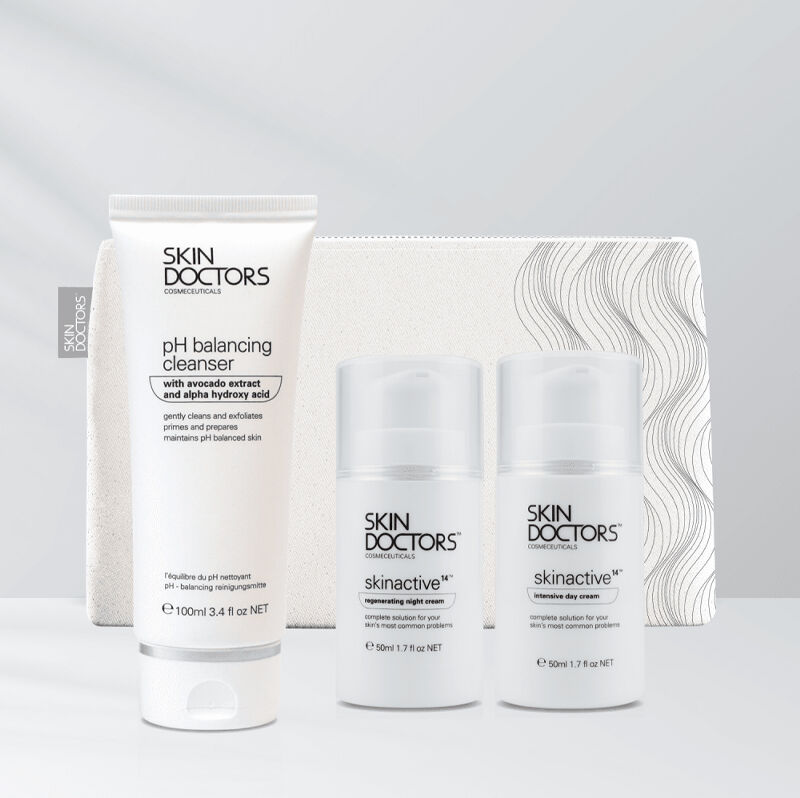
Skin Doctors EssentialsThe Skin Doctors Daily Essentials Gift Se offers a complete solution to the most common skincare problems. Discover skincare that gives you that all-time glow, day and night. Set Includes: 1 x Skin Doctors Skinactive14 Day Cream 1 x Skin Doctors Skinactive14 Night Cream 1 x Skin Doctors pH Balancing Cleanser 1 x Skin Doctors Toiletry Bag43,49 £*Shipping: 0,00 £Secure redirect to the provider
-
Skin Doctors Plump 50mlSkin Doctors Antarctilyne Plump is a clinically proven face cream which works to increase your skin's condition within 7 days! It boost skin's collagen levels and protects it from decreasing, maintaining skin's firmness and elasticity for a healthier and youthful appearance!Formulated with triple action skin boosting ingredient Trylagen, the cream is a blend of peptides and proteins to enhance skin's appearance for a brighter fuller complexion.35,62 £*Shipping: 0,00 £Secure redirect to the provider
-
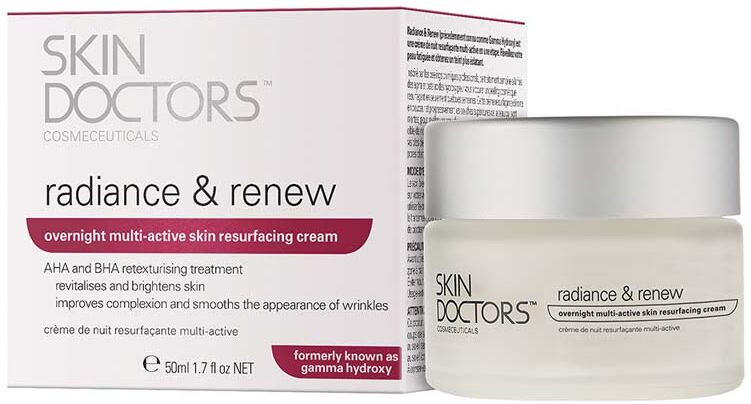
Skin Doctors & Renew 50mlSkin Doctors Radiance & Renew 50ml is an innovative cosmetic product that effectively resurfaces the skin which has been prone to wrinkles, premature ageing, sun damage, acne and mild scarring. Formulated with Glycolic Acid (Fruit Acids), Lactic Acid (Sour Milk and Grain) and Salicylic Acid to break down the outer thick layer of skin and gently exfoliate to smooth away any visible signs of ageing, pigmentation and scars. The products supports skin cells renewal and stimulates collagen to plump and refresh your complexion. Ingredients Aqua (Water), Ethylhexyl Methoxycinnamate, Glycolic Acid, Benzophenone-3, Propylene Glycol, Cyclopentasiloxane, Cetyl Alcohol, Stearyl Alcohol, Cyclohexasiloxane, Butyl Methoxydibenzoylmethane, Glycerin, Lactic Acid, Glyceryl Stearate, PEG-100 Stearate, Ceteareth-20, Phenyl Trimethicone, Salicylic Acid, Phenoxyethanol, Sodium Hydroxide, Arctostaphylos Uva Ursi Leaf Extract, Magnesium Ascorbyl Phosphate, Xanthan Gum, Sodium Hyaluronate, Parfum (Fragrance), Disodium EDTA, Sodium Metabisulfite, Sodium Benzoate, Methylparaben, Propylparaben, Ethylparaben, BHT, Hexyl Cinnamal, Citronellol, Linalool.32,99 £*Shipping: 0,00 £Secure redirect to the provider
-
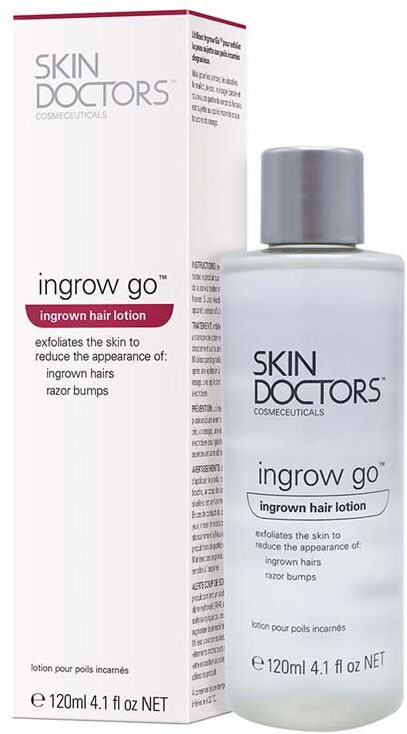
Skin Doctors Go 120mlSkin Doctors Ingrow Go is a skin treatment to eliminate ingrown hairs after hair removal by waxing or shaving. The skin treatment gently exfoliates the skin to smooth the skin and prevent ingrown hairs appearing. Isopropyl Alcohol - antibacterial to help clear out infected pores Propylene Glycol - to deliver moisture through the skin Acetylsalicylic Acid - anti-inflammatory to reduce the swelling associated with ingrown hairs Glycolic Acid - a mild exfoliant that removes dry skin cells and reduces redness11,24 £*Shipping: 2,95 £Secure redirect to the provider

-
What is equilibrium density gradient centrifugation?
Equilibrium density gradient centrifugation is a technique used to separate particles or molecules based on their density. In this method, a sample is layered on top of a density gradient medium, such as sucrose or cesium chloride, and then centrifuged at high speeds. As the centrifuge spins, the particles in the sample move through the density gradient until they reach a point where their density matches that of the surrounding medium, resulting in a banding pattern. This allows for the separation and purification of different components based on their density. **
-
What is a simple experiment about centrifugation?
A simple experiment about centrifugation can involve separating a mixture of water and sand. First, mix the water and sand in a test tube. Then, place the test tube in a centrifuge and spin it at a high speed. The centrifugal force will cause the sand particles to settle at the bottom of the test tube, while the water will remain on top. This demonstrates how centrifugation can be used to separate substances of different densities. **
-
How does the separation process of centrifugation work?
Centrifugation works by using centrifugal force to separate substances of different densities in a mixture. When the mixture is spun at high speeds in a centrifuge, the denser components move towards the bottom of the centrifuge tube, while the lighter components move towards the top. This allows for the separation of the different components based on their density. After the spinning is complete, the separated components can be easily collected from their respective positions in the tube. **
-
What is a simple experiment on the topic of centrifugation?
A simple experiment on centrifugation can be done using a mixture of water and sand in a test tube. By spinning the test tube in a centrifuge, the heavier sand particles will settle at the bottom due to centrifugal force, while the lighter water will remain on top. This demonstrates how centrifugation can be used to separate mixtures based on their density. Students can then observe and analyze the separated components to understand the principle of centrifugation. **


Can liquid metals be separated from each other by centrifugation?
Yes, liquid metals can be separated from each other by centrifugation. Centrifugation works by applying centrifugal force to a mixture, causing the components to separate based on their density. Since different metals have different densities, they can be separated from each other using centrifugation. This process is commonly used in metallurgy and metal refining to separate different metals from each other. **
Can someone tell me the steps of cell fractionation by density gradient centrifugation with explanation?
Cell fractionation by density gradient centrifugation involves several steps: 1. Homogenization: The first step is to break open the cells and release their contents. This is typically done using a homogenizer or sonicator to disrupt the cell membranes. 2. Centrifugation: The homogenized cell suspension is then centrifuged at a low speed to remove large debris and unbroken cells. This step separates the homogenate into different fractions based on size and density. 3. Density gradient formation: A density gradient solution, such as sucrose or cesium chloride, is prepared and layered in a centrifuge tube. The gradient is formed by layering solutions of increasing density from the bottom to the top of the tube. 4. Centrifugation: The cell homogenate is then layered on top of the density gradient and centrifuged at high speeds. During centrifugation, the different cellular components separate based on their density and form distinct bands within the gradient. **
Top-Angebote
Products related to Centrifugation:
-
Drop Dash Deals Premium Dental & Medical Dry Heat Sterilizer Adjustable Dental Sterilizer Autoclave For Clinic, Tattoo & Vet Instrumen Premium Dental & Medical Dry Heat Sterilizer Adjustable Dental Sterilizer Autoclave For Clinic, Tattoo & Vet InstrumenStep up your hygiene game with a professionalgrade sterilizer designed for those who demand reliable, consistent results every time. This 1 pc of compact dry heat sterilizer delivers powerful, hightemperature instrument sterilization ideal for...89,97 $*Shipping: 0,00 $Secure redirect to the provider
-
Tommee Tippee Essential Baby Healthcare KitA hair-care product. All-in-One Solution: Comprehensive grooming kit for babies and toddlers. Portable & Stylish: Compact, waterproof carry case with a secure zipper. Precision & Comfort: High-accuracy digital thermometer with an automated warning sound. Gentle Care: Soft-bristle hairbrush and non-scratch comb for delicate scalps.22,36 £*Shipping: 6,94 £Secure redirect to the provider
-
Skin Doctors EssentialsThe Skin Doctors Daily Essentials Gift Se offers a complete solution to the most common skincare problems. Discover skincare that gives you that all-time glow, day and night. Set Includes: 1 x Skin Doctors Skinactive14 Day Cream 1 x Skin Doctors Skinactive14 Night Cream 1 x Skin Doctors pH Balancing Cleanser 1 x Skin Doctors Toiletry Bag43,49 £*Shipping: 0,00 £Secure redirect to the provider
-
Skin Doctors Plump 50mlSkin Doctors Antarctilyne Plump is a clinically proven face cream which works to increase your skin's condition within 7 days! It boost skin's collagen levels and protects it from decreasing, maintaining skin's firmness and elasticity for a healthier and youthful appearance!Formulated with triple action skin boosting ingredient Trylagen, the cream is a blend of peptides and proteins to enhance skin's appearance for a brighter fuller complexion.35,62 £*Shipping: 0,00 £Secure redirect to the provider
-
What is the difference between differential centrifugation and density gradient centrifugation?
Differential centrifugation separates particles based on their size and density by subjecting a sample to multiple rounds of centrifugation at increasing speeds. This method results in the formation of a pellet containing the heaviest particles at each step. Density gradient centrifugation, on the other hand, separates particles based on their buoyant density by layering a sample on top of a density gradient medium and subjecting it to centrifugation. This method results in the formation of distinct bands or layers of particles based on their buoyant density within the gradient medium. Overall, differential centrifugation separates particles based on their size and density, while density gradient centrifugation separates particles based on their buoyant density within a gradient medium. **
-
How does differential centrifugation work?
Differential centrifugation is a method used to separate different components of a cell or tissue sample based on their size, shape, and density. The sample is first homogenized to break open the cells and release their contents. The homogenate is then subjected to a series of centrifugation steps at increasing speeds, which causes the larger and denser components to sediment out first, followed by the smaller and lighter components. This process results in the separation of organelles and other cellular components into different fractions, which can then be further analyzed or used for various experiments. **
-
What is equilibrium density gradient centrifugation?
Equilibrium density gradient centrifugation is a technique used to separate particles or molecules based on their density. In this method, a sample is layered on top of a density gradient medium, such as sucrose or cesium chloride, and then centrifuged at high speeds. As the centrifuge spins, the particles in the sample move through the density gradient until they reach a point where their density matches that of the surrounding medium, resulting in a banding pattern. This allows for the separation and purification of different components based on their density. **
-
What is a simple experiment about centrifugation?
A simple experiment about centrifugation can involve separating a mixture of water and sand. First, mix the water and sand in a test tube. Then, place the test tube in a centrifuge and spin it at a high speed. The centrifugal force will cause the sand particles to settle at the bottom of the test tube, while the water will remain on top. This demonstrates how centrifugation can be used to separate substances of different densities. **
Similar search terms for Centrifugation
-
Skin Doctors & Renew 50mlSkin Doctors Radiance & Renew 50ml is an innovative cosmetic product that effectively resurfaces the skin which has been prone to wrinkles, premature ageing, sun damage, acne and mild scarring. Formulated with Glycolic Acid (Fruit Acids), Lactic Acid (Sour Milk and Grain) and Salicylic Acid to break down the outer thick layer of skin and gently exfoliate to smooth away any visible signs of ageing, pigmentation and scars. The products supports skin cells renewal and stimulates collagen to plump and refresh your complexion. Ingredients Aqua (Water), Ethylhexyl Methoxycinnamate, Glycolic Acid, Benzophenone-3, Propylene Glycol, Cyclopentasiloxane, Cetyl Alcohol, Stearyl Alcohol, Cyclohexasiloxane, Butyl Methoxydibenzoylmethane, Glycerin, Lactic Acid, Glyceryl Stearate, PEG-100 Stearate, Ceteareth-20, Phenyl Trimethicone, Salicylic Acid, Phenoxyethanol, Sodium Hydroxide, Arctostaphylos Uva Ursi Leaf Extract, Magnesium Ascorbyl Phosphate, Xanthan Gum, Sodium Hyaluronate, Parfum (Fragrance), Disodium EDTA, Sodium Metabisulfite, Sodium Benzoate, Methylparaben, Propylparaben, Ethylparaben, BHT, Hexyl Cinnamal, Citronellol, Linalool.32,99 £*Shipping: 0,00 £Secure redirect to the provider
-
Skin Doctors Go 120mlSkin Doctors Ingrow Go is a skin treatment to eliminate ingrown hairs after hair removal by waxing or shaving. The skin treatment gently exfoliates the skin to smooth the skin and prevent ingrown hairs appearing. Isopropyl Alcohol - antibacterial to help clear out infected pores Propylene Glycol - to deliver moisture through the skin Acetylsalicylic Acid - anti-inflammatory to reduce the swelling associated with ingrown hairs Glycolic Acid - a mild exfoliant that removes dry skin cells and reduces redness11,24 £*Shipping: 2,95 £Secure redirect to the provider
-
Skin Doctors Facelift 30mlSkin Doctors Instant Facelift is an innovative serum that lifts and firms sagging and ageing skin for a fresher youthful complexion! Formulated with Easyliance, a biopolymer from plant roots, tightens and smoothes skin. Argatensyl Extract from Argania Fruit to firm and tighten skin and Liftensyl, derived from Soy Protein, smoothes out fine lines and wrinkles improving skin's radiance by 71%. Liftensyl LS - a polymer derived from Soy protein that displays immediate tightening properties resulting in the smoothing of fine lines and wrinkles. Argatensyl LS - a high molecular weight protein extracted from the Argania fruit, which grows only in the south of Morocco. Argatensyl has been seen in scientific studies to instantly tighten the skin. Easyliance - a biopolymer naturally produced by micro-organisms living in specific plant roots. The polymer forms a matrix at the surface of the skin and whilst drying, it tightens and smoothes the skin. Easyliance has an immediate and visible lifting effect and provides smoother and younger looking skin within minutes.26,89 £*Shipping: 0,00 £Secure redirect to the provider
-
Skin Doctors Clear 50mlSkin Doctors Capillary Clear is an effective treatment that works to dramatically minimise the appearance of broken capillaries and blood vessels. By reducing the extravascular blood flow diminishes the chance of broken capillaries forming. Phytotonine - composed of concentrated extracts of Arnica, Cypress and Solomon’s Seal. It is rich in flavonoids, saponosides and procyanidols which are responsible for its favourable action on microcirculation and the strengthening of capillary walls. A scientific investigation showed that the application of Phytotonine for 3 weeks showed a 24% decrease in the redness of the affected area and a 25% reduction of extravascular blood flow, helping to improve the appearance of redness and broken capillaries.19,12 £*Shipping: 0,00 £Secure redirect to the provider
-
How does the separation process of centrifugation work?
Centrifugation works by using centrifugal force to separate substances of different densities in a mixture. When the mixture is spun at high speeds in a centrifuge, the denser components move towards the bottom of the centrifuge tube, while the lighter components move towards the top. This allows for the separation of the different components based on their density. After the spinning is complete, the separated components can be easily collected from their respective positions in the tube. **
-
What is a simple experiment on the topic of centrifugation?
A simple experiment on centrifugation can be done using a mixture of water and sand in a test tube. By spinning the test tube in a centrifuge, the heavier sand particles will settle at the bottom due to centrifugal force, while the lighter water will remain on top. This demonstrates how centrifugation can be used to separate mixtures based on their density. Students can then observe and analyze the separated components to understand the principle of centrifugation. **
-
Can liquid metals be separated from each other by centrifugation?
Yes, liquid metals can be separated from each other by centrifugation. Centrifugation works by applying centrifugal force to a mixture, causing the components to separate based on their density. Since different metals have different densities, they can be separated from each other using centrifugation. This process is commonly used in metallurgy and metal refining to separate different metals from each other. **
-
Can someone tell me the steps of cell fractionation by density gradient centrifugation with explanation?
Cell fractionation by density gradient centrifugation involves several steps: 1. Homogenization: The first step is to break open the cells and release their contents. This is typically done using a homogenizer or sonicator to disrupt the cell membranes. 2. Centrifugation: The homogenized cell suspension is then centrifuged at a low speed to remove large debris and unbroken cells. This step separates the homogenate into different fractions based on size and density. 3. Density gradient formation: A density gradient solution, such as sucrose or cesium chloride, is prepared and layered in a centrifuge tube. The gradient is formed by layering solutions of increasing density from the bottom to the top of the tube. 4. Centrifugation: The cell homogenate is then layered on top of the density gradient and centrifuged at high speeds. During centrifugation, the different cellular components separate based on their density and form distinct bands within the gradient. **
* All prices are inclusive of VAT and, if applicable, plus shipping costs. The offer information is based on the details provided by the respective shop and is updated through automated processes. Real-time updates do not occur, so deviations can occur in individual cases. ** Note: Parts of this content were created by AI.